Snorkeling Punta Cana
Snorkeling Guide

Is Punta Cana Good for Snorkeling

Punta Cana's beachfront draws millions for its calm turquoise shallows, but the question travelers actually ask is whether those waters hold anything worth seeing below the surface. The answer depends less on the destination itself and more on which reef systems you reach and when you visit them.

8 min read Updated 2026-09-30 Fact-checked
Is Punta Cana Good for Snorkeling

Quick answer

Is Punta Cana good for snorkeling? The resort beaches themselves offer minimal marine life, but boat-access sites within 20 minutes offshore—Cabeza de Toro reef, Marinarium, and Catalina Island—deliver clear water, healthy coral formations, and tropical fish populations that rank among the Caribbean's more accessible options. Water clarity peaks between 8:00 and 11:00 before afternoon winds stir surface chop.

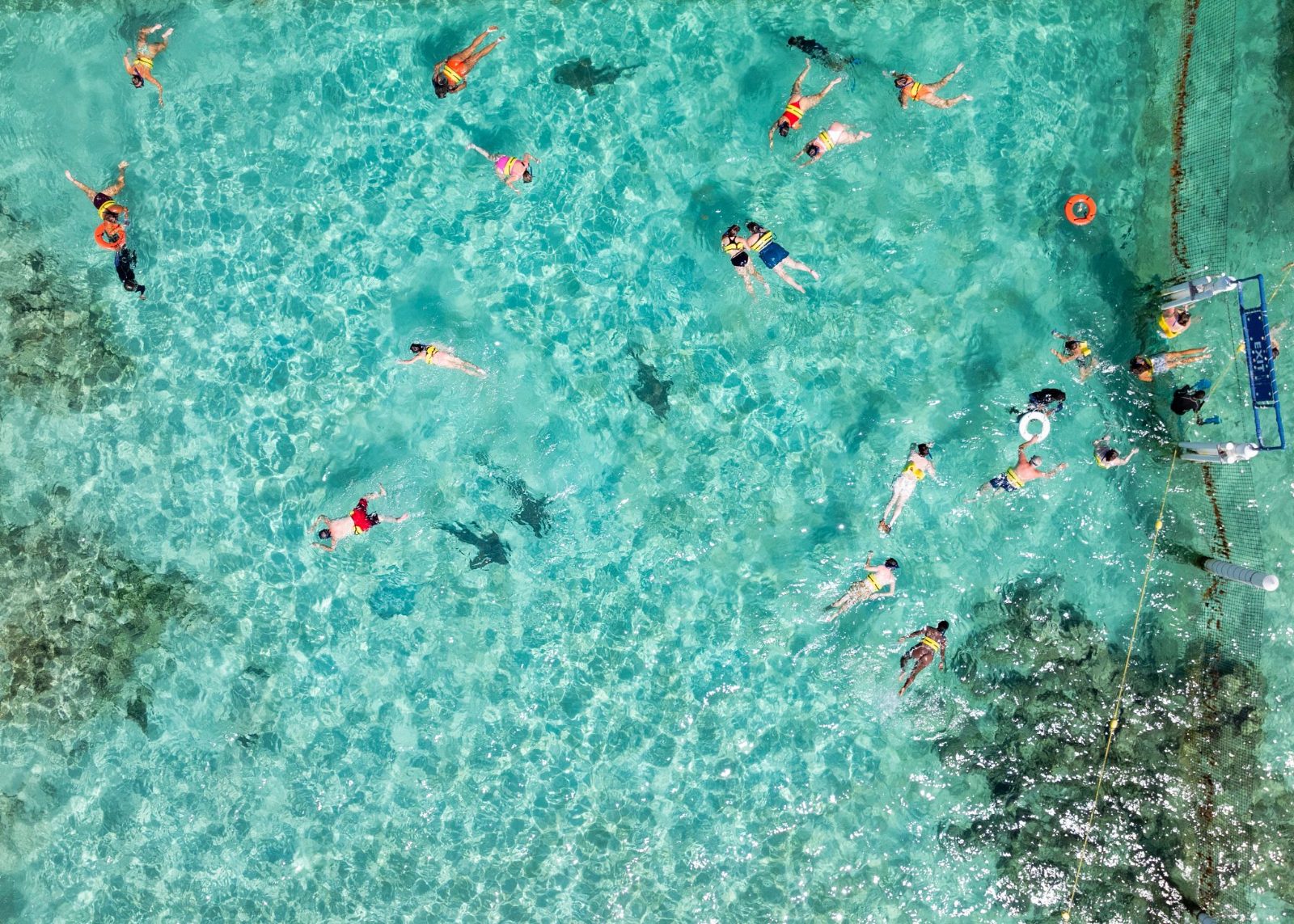
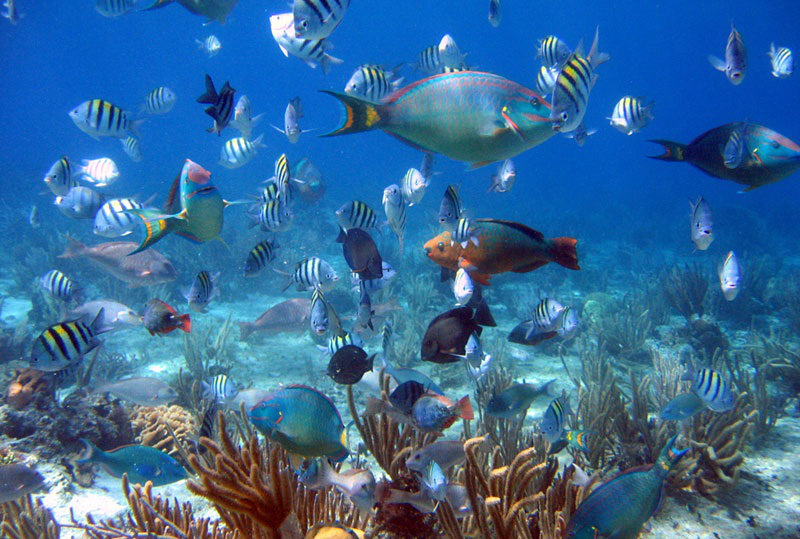
Punta Cana's coastline holds more than thirty kilometers of sandy bottom, and nearly all of it sits too shallow and too wave-washed to support coral. The region's snorkeling reputation hinges entirely on boat-accessed reefs that lie beyond the breaker zone, where Caribbean currents meet offshore rock formations and coral colonies thrive in five to fifteen meters of water. Cabeza de Toro, positioned at the northern edge of Bávaro Beach, offers the closest reef structure—a forty-minute sail from most resorts. Brain coral, elkhorn fragments, and gorgonian fans populate the site, with queen angelfish, blue tangs, and sergeant majors schooling near the substrate. Visibility here averages twelve to eighteen meters during calm mornings, dropping to six or eight meters once wind picks up after midday. Marinarium, a fenced marine park three kilometers offshore, functions as a controlled snorkeling zone where stingrays and nurse sharks circle a sandy enclosure surrounded by coral outcrops. Catalina Island, a ninety-minute catamaran ride southeast, delivers the region's clearest water and densest fish populations, though strong currents near the island's eastern point require confident swimming. The Dominican Republic's north coast—Puerto Plata and Sosúa—holds more diverse reef systems, and Mexico's Riviera Maya offers easier shore-entry snorkeling, but Punta Cana compensates with warmer water year-round and shorter boat transfers. Most snorkeling in Punta Cana happens on half-day excursions that combine two reef stops with open bar service and beach time, a structure that prioritizes convenience over extended underwater exploration. Operators typically provide masks, fins, and flotation vests, though serious snorkelers bring their own gear to ensure proper fit and optical quality. Seasonal variation matters less here than daily weather. November through April brings the calmest seas and the longest visibility windows, but June through October can deliver equally clear mornings when storms stay offshore. The worst conditions appear during cold fronts in January and February, when northerly swells cloud nearshore waters for three to five days at a stretch. Public beaches in Punta Cana carry no entrance fees, but accessing the offshore reefs requires booking a boat tour, with most operators departing from Cabeza de Toro marina or the docks behind Arena Gorda. Snorkeling gear rental is included in tour pricing, eliminating the need to source equipment separately. Is Punta Cana good for snorkeling compared to dedicated dive destinations? Not quite. But for travelers already committed to an all-inclusive resort stay, the boat-access reefs provide a legitimate half-day diversion with enough coral structure and fish density to justify the time offshore.
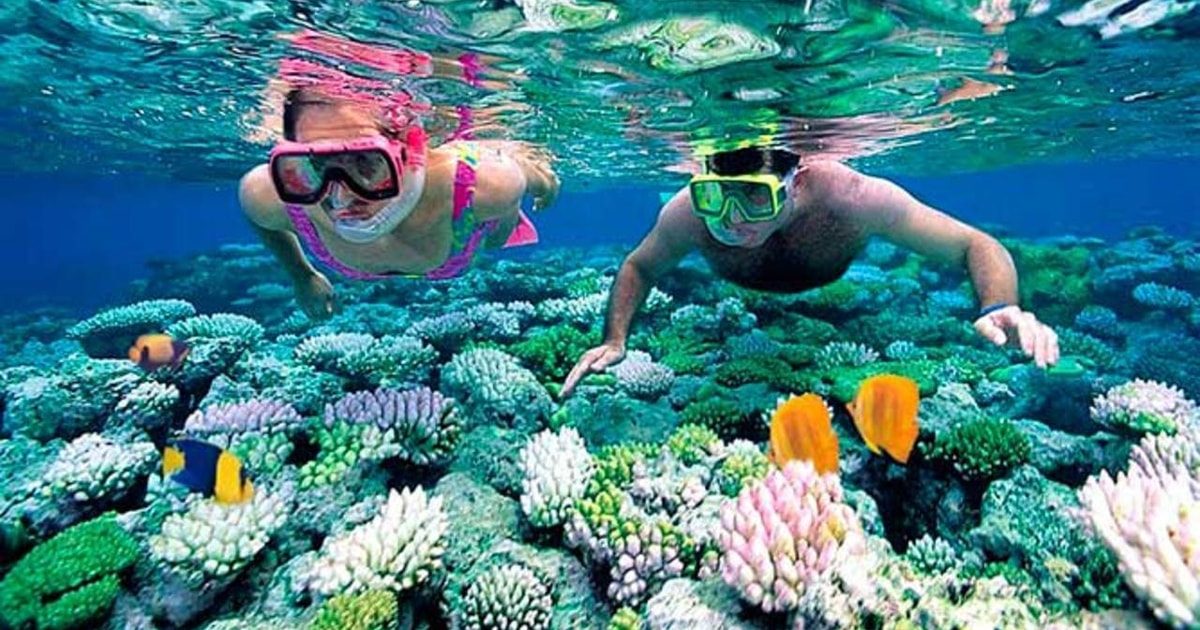
“Punta Cana's snorkeling reputation hinges entirely on boat-accessed reefs that lie beyond the breaker zone, where Caribbean currents meet offshore rock formations.”
Prices

Is Punta Cana Good for Snorkeling on a Budget: Fee and Access Facts

Access to public beaches in Punta Cana is free of charge. Snorkeling requires transport to offshore reefs, which necessitates booking a private boat tour.

Public Beach Access Entry to the shoreline is free
0 USD
Offshore Snorkeling Access Requires private boat tour reservation
Variable
Public beach access is free for all visitors at all times.

Verdict: While beach entry is 0 USD, your total cost depends on the private boat tour selected to reach offshore snorkeling sites.

Directions

How to Reach Sites When Deciding Is Punta Cana Good for Snorkeling

Most snorkeling sites in Punta Cana are located offshore along the barrier reef, requiring transit via private boat tours departing from local beaches or marinas. Accessing these marine areas from the shore is not feasible due to the distance to the reefs.

Boat 30–60 min —

Departure from Punta Cana beaches and marinas

Taxi 15–30 min —

Direct transfer to boat departure docks

Car 15–30 min —

Travel to designated marina launch points

Plan your arrival at the designated departure point between 08:00–11:00 to ensure optimal water clarity and visibility before afternoon winds increase surface chop.

What to see

Top Underwater Locations When Asking Is Punta Cana Good for Snorkeling

Punta Cana offers diverse underwater environments ranging from protected marine sanctuaries to expansive offshore barrier reefs. These locations provide consistent opportunities to observe Caribbean reef biodiversity in their natural habitats.

Marinarium Marine Park

Marinarium Marine Park

This protected area features a shallow reef system and a controlled stingray and nurse shark encounter zone. It is designed for snorkelers of various experience levels to view marine life in calm waters.

Visit early to avoid boat traffic and maximize water clarity.

Cabeza de Toro Reef

Cabeza de Toro Reef

Located just offshore, this barrier reef acts as a natural breakwater that hosts a high density of tropical fish and coral formations. The depth remains moderate, making it suitable for observing colorful reef species.

Use a guided boat tour for safe access to outer sections.

Bávaro Reef

Bávaro Reef

This extensive reef system stretches along the coast and is known for its clear visibility and accessible snorkeling spots reachable by boat. It serves as a primary hub for observing parrotfish, barracuda, and brain coral.

Bring an underwater camera to capture the coral structures.

Playa Blanca

Playa Blanca

Situated near the Punta Cana Resort, this area offers calm, sheltered waters perfect for beginners seeking a relaxed snorkeling environment. Small coral patches are present near the shoreline where juvenile fish congregate.

Stay near the marked buoy lines for the best coral.

Insider tips

Expert Tips for Those Asking Is Punta Cana Good for Snorkeling

Maximize your time in the water by focusing on preparation and understanding the local marine environment.

1

Bring your own mask

Rental gear quality varies significantly between tour operators. Bringing a personal mask ensures a proper seal and avoids potential vision issues from scratched lenses.

2

Reef vs open water

Manage expectations by knowing that shore snorkeling in Punta Cana is limited due to sandy bottoms. Most vibrant marine life is located at the offshore barrier reef, which requires a boat excursion.

3

Use biodegradable sunscreen

Protect the coral ecosystem by selecting sunscreen labeled reef-safe. Chemicals in standard lotions contribute to coral bleaching and damage the delicate reef structures.

4

Master basic buoyancy

Avoid touching or standing on coral formations to prevent damage to the reef and personal injury from sharp surfaces. Practice hovering in place to maintain a safe distance from the seabed.

5

Hydration and energy

Long sessions in the sun dehydrate quickly. Carry a reusable water bottle on your boat tour and consume light snacks to maintain energy for multiple water entries.

6

Stay with your guide

Currents near the barrier reef can shift unexpectedly. Following your guide ensures you remain in areas with manageable water movement and higher fish density.

Book

Check availability

Frequently asked

Common Questions About Snorkeling in Punta Cana

Everything you need to know about is punta cana good for snorkeling

Is Punta Cana good for snorkeling?

Punta Cana offers clear, warm Caribbean waters and extensive barrier reefs, making it a solid choice for underwater exploration. Many visitors find that while beach snorkeling is limited, boat-accessed sites provide vibrant coral formations. To determine if is Punta Cana good for snorkeling for your preferences, consider the variety of reef tours available. Since much of the reef is offshore, is Punta Cana good for snorkeling requires booking a boat excursion to access the best visibility. These tours ensure you reach protected marine zones where sea life thrives away from the immediate shoreline. For the best conditions, aim for the best arrival window of 08:00–11:00. This timing ensures you experience the water before afternoon winds increase surface chop and reduce underwater clarity. While public beaches have an entrance fee of 0 USD, remember that reaching prime reef locations requires a private boat tour. Check with your tour operator regarding any additional equipment rental or park entry fees. Snorkeling is generally safe for families, provided participants are comfortable in the water and wear appropriate flotation devices. Always verify that tour providers offer child-sized gear and clear safety instructions before booking. Pack high-quality polarized sunglasses, biodegradable sunscreen to protect the reef, and your own mask if you prefer a custom fit. These essentials help ensure you have a comfortable experience while exploring the coastal ecosystem. September and autumn months often provide warm water, though it is important to monitor weather patterns for tropical storms. When the sea is calm, you will find the underwater visibility remains favorable for observation. You can expect to encounter diverse marine life including parrotfish, sergeant majors, blue tangs, and occasionally sea turtles. These species inhabit the protected reef tracts that flourish along the Dominican coastline.

Keep reading

More guides & pages