English| EUR
Suggested for you
More currencies
Choose a language
Punta Cana's coastline stretches across 48 kilometers, but not every meter offers viable snorkeling from shore. Most all-inclusive resorts front sand-bottom shallows where coral starts 100+ meters out—too far for casual swimmers. The question isn't whether shore snorkeling exists, but where the reef comes close enough to matter.
Quick answer
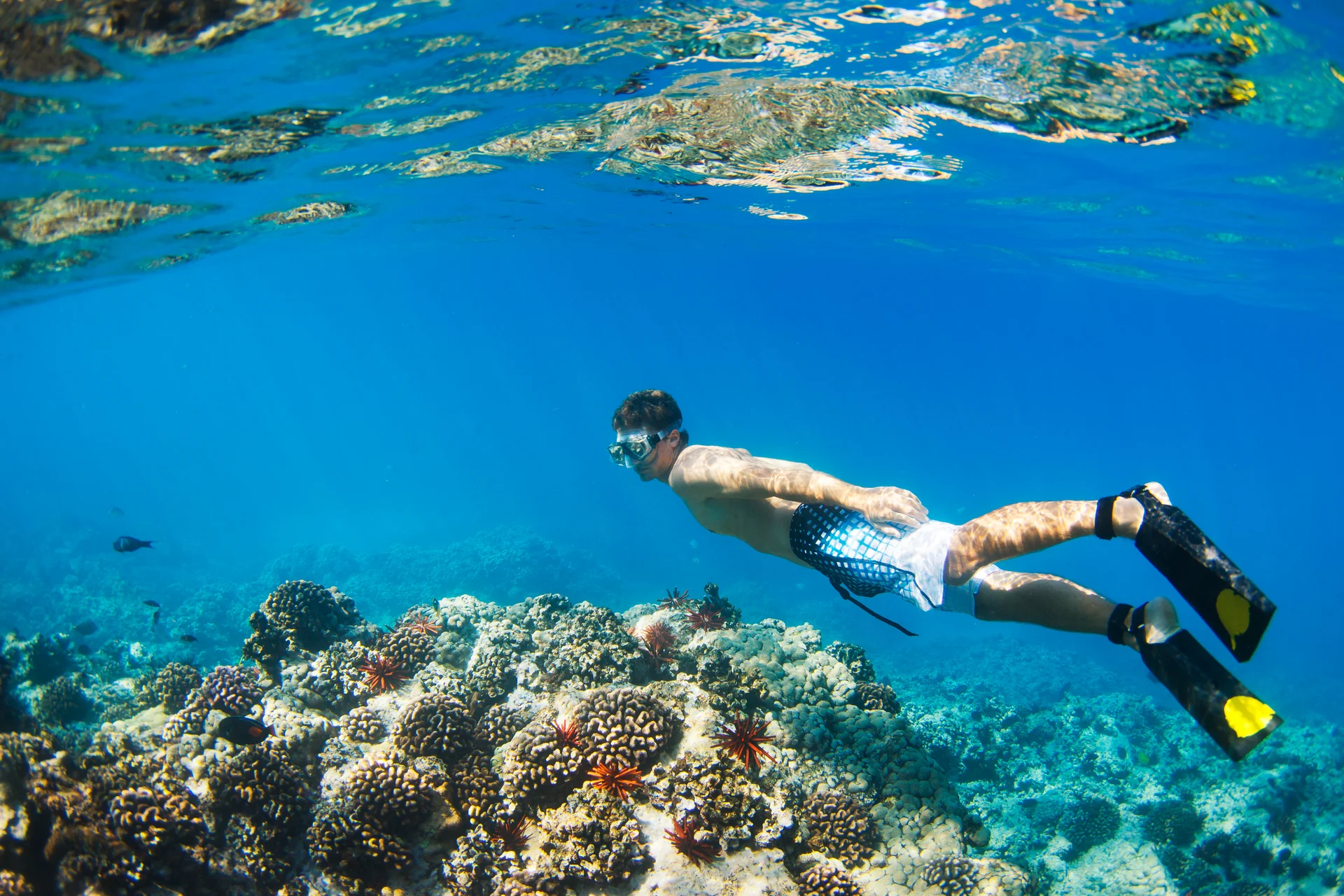
Yes, you can snorkel directly off the beach in Punta Cana at public access points where coral formations sit 20 to 50 meters from shore. Playa Bávaro, Cabeza de Toro, and Arena Gorda offer the most reliable entry zones with visible reef structure. Water clarity peaks between 7:00 and 10:00 AM before afternoon winds reduce visibility to under three meters. Entry is free at public beaches; some private resort zones restrict non-guest access.
Punta Cana's underwater topography divides sharply: resort-fronted beaches typically feature wide sand shelves that extend 80 to 150 meters offshore before any coral appears, while a handful of public stretches compress that distance to 20 or 30 meters. The difference turns on coastal engineering—many hotels dredged nearshore zones in the 1990s to create calm swimming lagoons, pushing living coral beyond snorkeling range for shore-bound visitors. The accessible reef zones cluster in three areas. Cabeza de Toro, at the peninsula's northern tip, offers the shortest swim to structure—barrel sponges and brain coral sit 25 meters from the high-tide line. Arena Gorda's public access point near the Riu complex puts elkhorn fragments within a 40-meter swim, though sand churn from wave action cuts clarity by midday. Playa Bávaro's central stretch, between the beach volleyball courts and the Cortecito fishing pier, holds scattered coral heads at 35 to 50 meters out; you'll see parrotfish and blue tang if you time your entry before 9:00 AM. Water movement shapes every session. Punta Cana faces east into the Atlantic, and the prevailing trade winds build through the morning. By 11:00 AM, wind speeds often reach 15 knots, stirring the sandy bottom and dropping visibility from eight meters to less than three. The calmest window runs from first light until 10:00 AM, when the surface stays glassy and suspended sediment settles overnight. Afternoon snorkeling off the beach in Punta Cana is technically possible but rarely rewarding—you'll spend more time managing chop than observing marine life. Gear matters less than timing. Rental masks and fins are available at beachside kiosks for $8 to $12 per day, though quality varies; serious snorkelers bring their own. No lifeguards patrol public beaches, and there are no marked swim lanes—navigation relies on visual landmarks and your own comfort in open water. The reef doesn't announce itself with buoys or signage; you swim perpendicular to shore until darker patches appear below, then adjust your course. Entry and exit are free at all public access points, but check posted flags if present—red indicates hazardous surf or strong currents that make shore snorkeling inadvisable regardless of visibility.
“The accessible reef zones cluster in three areas, each offering coral within a 20 to 50 meter swim from the high-tide line.”
The best arrival window is 07:00–10:00, as early morning offers the calmest water and best visibility before winds stir up the sand. Choosing this time frame minimizes the impact of surface chop that often develops by mid-afternoon.
Warm 28°C-30°C; low wind levels
Spring provides a balance of comfortable water temperatures and lower rainfall.
Warm 29°C-31°C; potential for afternoon showers
While hurricane season peaks, mornings remain clear and calm before afternoon instability.
—
Visiting midweek avoids the influx of weekend beachgoers and provides the clearest water conditions.
Verdict: The best time for beach snorkeling is between 07:00 and 10:00 during the months of April or October to capitalize on calm, clear water.
Maximize your shore snorkeling experience by prioritizing safety and selecting the right equipment for local conditions.
Marine life congregates around rocky areas or artificial reefs rather than open sandy stretches. Look for darker patches in the water which indicate coral or rock formations.
Motorized watercraft are common near swimming zones. A bright-colored inflatable surface marker helps boat operators identify your location.
Punta Cana beaches often have coral debris or sea urchins near the shore. Sturdy water shoes prevent accidental cuts when entering or exiting the water.
Avoid touching the seafloor to protect both your skin and the delicate reef structure. Practice your floating position in shallow, sandy areas before heading deeper.
A poorly fitted mask causes water leakage and impairs your view. Ensure your snorkel is clear of sand and your mask seal is free of hair before submerging.
Standard sunscreens contain chemicals that harm coral ecosystems. Opt for zinc or titanium-based mineral lotions to maintain water clarity.
Beach snorkeling in Punta Cana looks deceptively simple, but several hazards catch visitors off guard. Most issues stem from misjudging distances, ignoring water conditions, or venturing into zones with boat traffic.
Swimming too far from shore to reach coral reefs
Reefs often sit 100+ meters offshore in open water with currents. Assess your stamina honestly and use a floatation device or book a boat tour to access deeper reefs safely.
Snorkeling in areas with active boat traffic
Many Punta Cana beaches share space with jet skis, catamarans, and dive boats. Stay within marked swim zones, wear a bright snorkel vest, and avoid early-morning hours when tour operators launch.
Ignoring red flags or choppy water conditions
Afternoon winds regularly stir up sand and reduce visibility to near zero. Check conditions before entering and postpone if waves exceed one meter or flags indicate unsafe swimming.
Underestimating sun exposure while floating
Water magnifies UV radiation and you won't feel overheating while submerged. Apply reef-safe SPF 50+ every 90 minutes, wear a rash guard, and limit sessions to under two hours even on overcast days.
Touching or standing on coral to rest
Coral cuts easily through skin, causes infections, and the reef itself dies from contact. Maintain neutral buoyancy, rest by floating on your back in open sand patches, and keep hands tucked while observing.
Access to public beaches in Punta Cana is provided at no cost. Snorkeling directly from the shore is a self-guided activity that requires no entry fees.
Verdict: A typical visitor pays 0 USD for beach access, though costs may arise if accessing private resort-controlled shoreline areas.
Public beaches in Punta Cana remain accessible to visitors at all times. You may access these coastal areas for snorkeling throughout the week.
Everything you need to know about can you snorkel off the beach in punta cana
Yes, can you snorkel off the beach in Punta Cana is a common question, and the answer is that while many areas feature sandy bottoms, some sections offer accessible marine life. You should look for designated zones where rocky outcroppings or protected areas support coral growth.
Snorkeling from the shore can be safe for families if you stay in shallow, calm water and monitor weather conditions. Always ensure children wear appropriate flotation devices and stay within sight of the shoreline while exploring the coastal waters.
The best arrival window for snorkeling in the area is 07:00–10:00 to ensure clear water and calm conditions. Morning visits are recommended because winds often increase later in the day, which can stir up sand and reduce visibility.
You can access public beaches with an entrance fee of 0 USD. Please note that while public access is free, some private beachfront areas maintained by resorts may restrict access or require specific guest privileges.
While the most vibrant reefs are often located further offshore, you can snorkel off the beach in Punta Cana in areas where artificial barriers or natural rock formations exist. These spots often attract small tropical fish and marine vegetation.
Boat tours generally provide access to more pristine coral reefs located further out in the ocean, providing a different experience than shore snorkeling. Choosing to go offshore often results in more variety, though many visitors enjoy the convenience of knowing can you snorkel off the beach in Punta Cana at their own pace.
To have a successful experience, bring your own mask, snorkel, and fins if you prefer using familiar equipment. Since you can snorkel off the beach in Punta Cana independently, having your own gear allows you to explore whenever sea conditions are optimal.